Anatomy
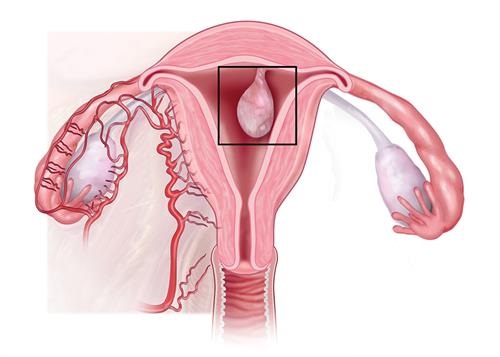
The vagina is an elastic, muscular canal with a soft, flexible lining that provides lubrication and sensation. The hymen is a thin membrane of tissue that surrounds and narrows the vaginal opening. It may be torn or ruptured by sexual activity or by exercise.
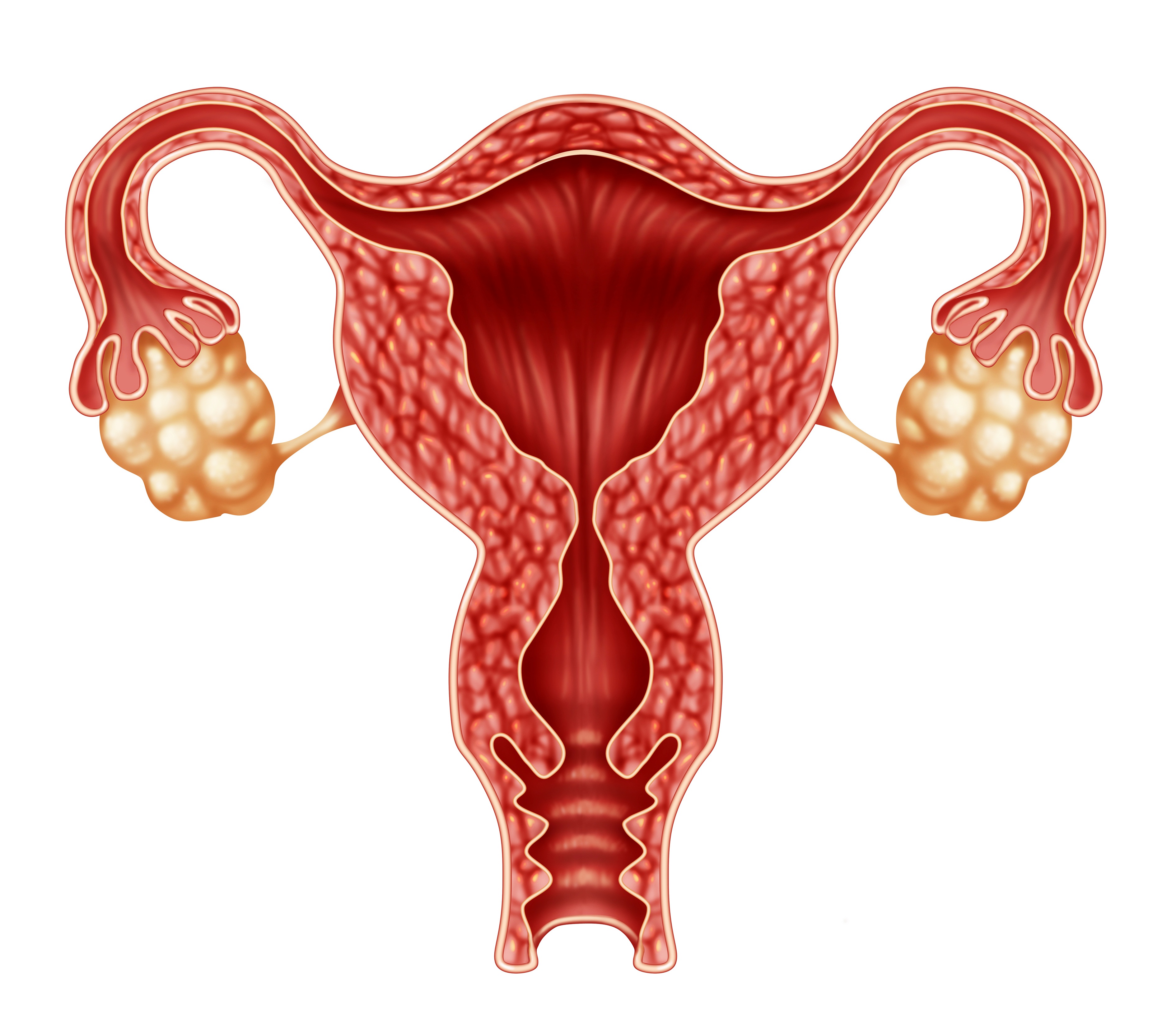
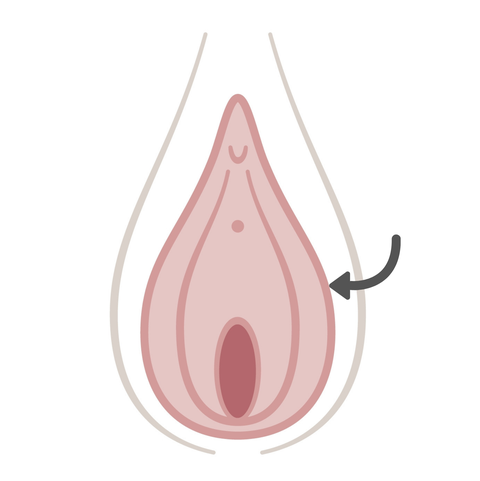
The vulva and labia form the entrance of the vagina and the cervix of the uterus protrudes into the vagina, forming the interior end. The vulva is in contact with the outside world and covered by a skin that is far more delicate than the skin on other parts of the body. It has many sweat glands. It also has specialised secretory glands called the Bartholin's gland and the Skene's gland.
The Bartholin's glands are two pea sized glands located slightly posterior and to the left and right of the opening of the vagina. They secrete mucus to lubricate the vagina for smooth penetration. This reduces friction caused by various sexual activities.
Skene's glands are located on the anterior wall of the vagina around the lower end of the urethra. They are the source of female ejaculation. A large amount of lubricating fluid is secreted from this gland when stimulated from inside the vagina.
When aroused, the vagina expands rapidly to an average of about 4 inches (10 cm), but can continue to lengthen in response to pressure.
Function
The vagina connects the uterus to the outside world. It receives the penis during sexual intercourse and also serves as a conduit for menstrual flow from the uterus. The vagina has several biological functions as follows:
- Sexual Activity: The concentration of the nerve endings that lie close to the entrance of a woman's vagina (the lower third) can provide extreme pleasurable sensation during sexual activity when stimulated in a way that the particular woman enjoys.
- Fertilisation: The walls of the vagina are composed of soft elastic folds of mucous membrane which stretch or contract (with support from pelvic muscles) to the size of the inserted penis, stimulating the penis and helping to cause the male to experience orgasm and ejaculation, thus enabling fertilisation.
- Childbirth: The vagina provides the channel to deliver the new-born from the uterus to its independent life outside the body of the mother. The baby passes through the vagina, also known as the birth canal.
- Uterine Secretions: The vagina provides a path for menstrual blood and tissue to leave the body, thus cleansing itself and uterus.
- Female Ejaculation (orgasm): An erogenous zone commonly referred to as the G-Spot (Gräfenberg Spot) is located at the anterior wall of the vagina, about 5 cm from the entrance. Women experience intense pleasure and ejaculate if the G-Spot is stimulated appropriately during sexual activity.
Problems
Although the vagina cleanses itself through regular cycles and other daily discharges, it can still be affected by various problems which need to be treated and cleansed internally as well as externally.
- Vaginitis: Inflammation of the vagina with symptoms like itching, discharge and change of odour commonly from a yeast infection or bacterial overgrowth.
- Vaginismus: Involuntary spasm of the vaginal muscles during sexual intercourse.
- Vaginal warts: Genital warts may affect the vulva or the vagina.
- Trichomoniasis: Infection of the vagina by a microscopic para-site called trichomonas.
- Bacterial Vaginosis (BV): A disruption in the balance of healthy bacteria in the vagina, often causing odour and discharge.
- Herpes Simplex Virus (HSV): The herpes virus can infect the vagina, causing small, painful, recurring blisters and ulcers.
- Gonorrhoea: This sexually transmitted bacterial infection often infects the cervix. Half the time, there are no symptoms, but vaginal discharge and itching may occur.
- Chlamydia: The bacterium Chlamydia trachomatis causes this sexually transmitted infection. Only half of women will have symptoms, which may include vaginal discharge or pain in the vagina or abdomen.
- Vaginal Prolapse: Due to weakening of pelvic muscles (usually from childbirth), the rectum, uterus or bladder pushes on the vagina. In severe cases, the vagina protrudes out of the body.
- Bladder Infections: Bladder infections are caused by bacteria known as E.coli that take up residence in the vagina and consequently make their way to the urethra, the tube through which urine flows. Six out of every ten women will come down with a bladder infection at some point in their lives.
- Loose Vagina: A loose vagina is characterised by the vagina emitting a lot of odour, non-closure of vagina when not aroused, inability for the vagina to grip the index finger, ability to insert 3 or more fingers into it when aroused.
Apart from above, there are numerous other vaginal problems. However, most of these problems are cured by Liver, Kidney, Fat and Acidity cleanses depending on a case to case basis. If you have one or more of the following symptoms, you can try the Vagina Cleanse.
- Abnormal discharge during intercourse
- Blood discharge / light bleeding from vagina
- Brown discharge after the period
- Cysts and abscesses in vaginal area
- Discharge due to excessive use of soap
- Dark marks and other worrisome spots in the vagina
- Dry vagina
- Excessive vaginal lubrication
- Frequent vaginal yeast infections
- Hard fleshy lump in vagina
- Heavy vaginal discharge
- Inflammation of the vagina
- Itchiness around clitoris and other vaginal area after sex
- Losing skin from vagina
- Lump on the front wall of vagina
- Milky sticky discharge
- Odour around intimate areas and front passage
- Pink-brown discharge
- Small lump spot in and around vagina
- Small white blisters on the vagina
- Smelly green discharge
- Sore area inside the lips of vagina and surrounding areas
- Swelling of womb and opening of vagina
- Thick discharge, soreness and itching of vagina
- Urinating from vagina
- Unpleasant and excessive vaginal discharge
- Vaginal discharge almost from two years
- Vaginal bleeding for 27 days
- Vaginal bleeding while urinating
- Vaginal pain
- Vaginal pain caused by vitamin B12 and vitamin D deficiency
- Vaginal discharge due to use of pills
- Whitish vaginal discharge
- Yellow discharge instead of a regular period
Vagina Cleanse: Douching
The vagina is "self-cleansing" through the daily elimination of vaginal discharge. It is normal for women of reproductive age to have vaginal discharge. If there is concern that the discharge has changed in colour, odour or texture, this may be an indication that something is not right. Vaginal discharge is a mixture of: cells shed from the vaginal walls; mucus and fluids from the reproductive organs and cervix; bacterial by-products; salt and water. However, doing a regular Vagina Cleanse protects you from these infections and from most of the other vaginal problems.
Douching is the process of washing or cleaning out the vagina with water and other mixtures of fluids externally. It is very common and regular practice throughout the world. Around 6% of women aged 15 to 44 years douche regularly. About half of these women douche every week - to clean the vagina, to rinse away blood after monthly periods, to get rid of odours from the vagina, to avoid sexually transmitted diseases (STDs), to prevent pregnancy.
Usually douches are pre-packaged mixes of water and vinegar, baking soda or iodine. Women can buy these products at a nearby medical or grocery stores. The mixtures usually come in a bottle and can be squirted into the vagina through a tube or nozzle. You can also prepare a douche mix at home using the following ingredients: 6 teaspoons of vinegar and/or lemon juice; 1 litre of water; squeeze bottle.
Procedure
- Prepare the douching solution. If you bought a kit at the store, follow the box directions to prepare the douching solution it came with. Typically, you will need to use one litre of water to prepare it. If you are making on your own solution at home, mix one-part vinegar with three parts water, in an amount equal to at least two cups.
- Fill the squeeze bottle or douche pouch with the solution. Follow the directions on the box to do this, or simply pour the solution into the squeeze bottle. If the entire solution doesn't fit, fill it as high as possible and then add the rest later.
- To prevent spilling of the solution, get into the shower or bathtub for the entire process. You will likely want to take a shower or bath afterwards anyways.
- Insert the tip of the squeeze bottle or douche pouch into the vagina and squeeze it to release the fluid. Continue rinsing the inside of the vagina until you have used all the available fluid.
- Use a mild soap and warm water to wash the outside of the vagina as you would normally during a shower or bath. Your goal now is to wash off any of the douching solution left on the exterior of your vagina. The douching solution is relatively harmless, so rinse it off if it came into contact with anything else. This will complete the cleaning job.
Important
Do not put the tube more than 3 inches into the vagina. If you could control the water pressure then this nozzle spray with hose is zero cost, a very convenient Cure Yourself remedy. Just put it near the vagina and the water goes inside.
Natural Remedies for Vagina Odour
When consumed on a regular basis, Fenugreek helps to balance the hormones and promotes regular menstrual cycles. At the same time, it keeps the inner body system healthy which in turn helps to reduce vaginal odour. It can be used as tea, washing and in many other ways.
Fenugreek
- Fenugreek Soaked Water — Fenugreek seeds (1-2 tsp), Water (1 glass). Take fenugreek seeds and soak in water overnight. In the morning, strain the water and drink it on an empty stomach. Do this daily for about 2 weeks.
- Fenugreek tea — Fenugreek seeds (1 tbsp), Water (1 cup). Crush the fenugreek seeds, preferably with the help of mortar and pestle. Boil the water in a pan and add crushed fenugreek seeds to the hot water and cover. Let it steep for about 10-15 minutes. You may steep fenugreek for up to 3 hours. Drink this hot or cold fenugreek tea.
- Fenugreek Water Wash — Fenugreek seeds (2 to 3 tsp), Water (1 litre). Add fenugreek seeds to water. Boil this water on medium flame for about half an hour. Let the water cool down. Wash your vagina with this water. Do this 3-4 times a day.
Important
Avoid using Fenugreek if you are pregnant as it may induce premature labour. If you are hypoglycaemic, avoid having fenugreek as it reduces blood sugar level.
Yogurt is rich in lactobacillus, which helps to restore the normal vaginal pH level. Once the pH level gets balanced, there will be no problem of vaginal odour. Ingredients: Yogurt (¼ - ½ cup), Cotton pad. Take the yogurt in a cup or bowl. Dip the cotton pad in the yogurt and let it soak well. Now take the cotton pad out of the yogurt and apply this yogurt to your vagina by rubbing with gentle hand. Let it be there for some time, wash off and pat dry. Repeat this for three to four times a day.
Apple cider vinegar is a natural anti-bacterial and is a part of most ready to use douches. Do the following cleanse four to five times a week to get quick results. Ingredients: Apple cider vinegar (3 cups), Warm water (enough for a shallow bath). Fill your bath tub with warm water. Add apple cider vinegar to this water. Now sit in this water for about 20-30 minutes.
Tip
You can also: dilute some Apple Cider Vinegar with water and rinse your vagina with this diluted solution. Apart from the above, you can mix 30 ml of Apple Cider Vinegar with 250 ml of water and drink this daily to balance pH level of your body. This prevents overgrowth of bacteria in your body including vagina.
Neem, has excellent antifungal, antiviral and antibacterial properties. Neem leaves are effective in protecting you against various fungi including candida which leads to yeast infections that in turn give rise to vaginal odour. Ingredients: Neem leaves (a handful), Water (enough to make paste). Heat a pan and add neem leaves to the pan. Dry roast for about three minutes. Put off the flame and let the leaves cool down. Crush the roasted neem leaves to get a fine powder. Take 2 tsp of this powder and add a little water to make a paste and apply this paste to your vagina and surrounding area. Do this twice a day.
Garlic is a kind of natural antibiotic. It can help a lot to deal with vaginal infection as well as vaginal odour. Insert one clove of peeled garlic into your vagina and leave for a couple of hours. Wash or take bath after removing the garlic clove. Do this once or twice a week to get rid of vaginal odour. Crush some garlic cloves to make paste. Apply this garlic paste to your vagina and leave for about 10 minutes. Wash or have bath after this.
Baking soda can instantly balance your pH level. Add half a cup of baking soda to water in your bath tub. Sit in this water for about 20 minutes. This treats yeast infection and instantly eliminates vaginal odour.
Tip
Sun Bathing Treatment: The Sun is the centre of our solar system, giving energy and life to the Earth and all its inhabitants. The Sun has been associated with nourishing life, increasing vitality, strengthening the body through the production of Vitamin D. Sunshine will increase your energy, mood, libido and immune system. Melanin present in the dermis absorbs the UV rays from the Sun. Lying in the Sun helps decrease symptoms of PMS or menopause. Wash and clean the vaginal area thoroughly with a mild soap solution and pat dry. Choose a discreet and secluded location inside home. Expose the inner vagina to direct sunlight. The skin covering this part is very thin and blood capillaries lie very close to the surface. Exposing this part to sunlight allows the cleansing of blood coursing through these capillaries and fights any localized infection such as yeast and fungi. An exposure of 10-20 minutes is optimal. The Sun can help regulate the production of hormones. Repeat this on alternate days for one week. Observe the improvements for sure.
Everyday Vaginal Health
Do's for the Vagina Health
- If you have some problem with your vagina during intercourse, use a condom, otherwise the intercourse will increase the irritation and it may spread microbes to your partner.
- Frequently change tampons and sanitary napkins as a way to prevent odours.
- Wash the vagina twice a day with an unscented soap. Washing more frequently can disturb your pH balance, thus worsening your problem.
- Go to the bathroom before and after intercourse. This helps flush out bacteria that may be present in the vagina might be pushed into the vagina or uterus by intercourse.
Having hair removed from your genital area may cause irritation. Pubic hair evolved to keep genitals from becoming too moist and it allows the area to breathe. While there aren't necessarily any serious repercussions, pubic hair removal does not pose a hygienic benefit.
Pubic hair is attached to the epidermis of the vagina. They cover the vulva and protect it from outside dust, as also from trauma and infection. This function was more necessary in ancient times when clothes were not worn. However, modern clothing habits result in long hours of confinement and moisture, with the result that many bacteria thrive in these hairs and cause bad odour. These hairs may be occasionally removed in order to clean the area and prevent the rise of bacterial infection. However, a razor should never be used as it damages the protective layer of the epidermis. Scissors or trimmers may be used instead. Hair removers and waxing are equally harmful and no attempt should be made to remove the hair completely from the skin.
Tip
You can strengthen your anal, vaginal and urinary muscles with a special exercise called a Kegel (repeatedly contracting and relaxing the muscles that form part of the pelvic floor). This will help the vagina to fight with various infections more effectively as well as help in problems such as loose vagina, vaginal prolapse etc. Stronger muscles can also help you relax and may control pain and provide more pleasure during intercourse.